
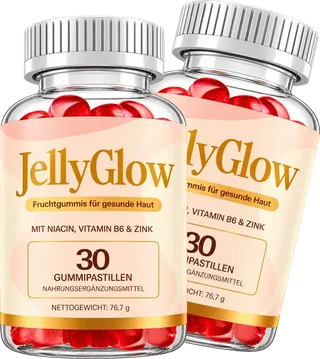
JellyGlow Gummies are a one-a-day fruit-gummy food supplement listing niacin, vitamin B6, zinc, maca root extract and five smaller actives. Nobody has published a study of side effects for this finished gummy, so this page does the next best thing: it sets out what official health sources report for each listed ingredient, usually at other doses and forms, and shows where JellyGlow Gummies side effects could become more likely, mainly when amounts stack up with other supplements.
What side effects do JellyGlow Gummies have?
Side effects of the finished JellyGlow Gummies product have not been studied or reported, so we cannot list any as confirmed. What we can list are effects that official sources describe for the individual ingredients, which is a guide to what to watch for, not a prediction.
Most of those effects are linked to amounts well above what one gummy contains, or to the herbal extracts in general. The one place a single gummy comes close to a limit is niacin, which is why the stacking tool further down matters.
If anything feels wrong after you start, stop taking the gummies and speak to a clinician. That rule comes before everything else on this page.
Which ingredients are in each gummy, and how much?
Each gummy lists nine actives on its nutrition panel, from 195 mg of maca root extract down to 1 mg of rhodiola extract. This table pairs each amount with what official sources say about side effects for that ingredient.
| Ingredient (per gummy) | Amount | What official sources report for the ingredient |
|---|---|---|
| Niacin as nicotinamide | 25 mg NE | No skin flushing with this form; adult upper limit 35 mg a day from supplements1 |
| Vitamin B6 | 2 mg | See our vitamin B6 page for the upper limit and long-term high-dose concerns |
| Zinc | 1.5 mg | Too much: nausea, dizziness, headaches, stomach upset, vomiting, loss of appetite2 |
| Maca root 20:1 extract | 195 mg | Reported menstrual changes, moodiness, cramps, stomach irritation, insomnia3 |
| L-Citrulline | 35 mg | No source in our library; ask a pharmacist |
| L-Carnitine | 25 mg | About 3 g a day can cause nausea, vomiting, cramps, diarrhea, fishy body odor5 |
| Grape seed 20:1 extract | 2 mg | See our botanicals page |
| Panax ginseng root 20:1 extract | 2 mg | Most common side effect insomnia4 |
| Rhodiola rosea root 20:1 extract | 1 mg | See our botanicals page |
Amounts are taken from the label. The research behind the right-hand column was done on the ingredients, mostly at much larger amounts, and says nothing direct about this gummy.
080160 % of limit
One gummy keeps all three under their limits. A second gummy, or a multivitamin with niacin, can push niacin past its 35 mg limit from supplements, which NIH applies to nicotinamide too.
Show the numbers
| Item | Value |
|---|---|
| Niacin, 1 gummy | 71% of 35 mg |
| Niacin, 2 gummies | 143% of 35 mg |
| Zinc, 1 gummy | 4% of 40 mg |
| Vitamin B6, 1 gummy | 2% of 100 mg |
Source: JellyGlow label (amounts per gummy); NIH Office of Dietary Supplements (upper limits).
Do JellyGlow Gummies cause niacin flush?
The label lists niacin as nicotinamide, and NIH says nicotinamide does not cause the skin flushing that nicotinic acid causes.1 So the hot, red flush many people know from niacin is not what official sources expect from this form.
The real niacin question is quantity. NIH sets the adult upper limit for niacin from supplements and fortified food at 35 mg a day, and that limit applies to nicotinamide as well.1 One gummy supplies 25 mg, which is 71% of the limit. Two gummies would be 143%. Add a multivitamin or a B-complex and you can pass the limit even on one gummy. Our niacin page goes through the forms in detail.
How do you check whether your total intake stacks too high?
Add up the niacin, zinc and vitamin B6 from every supplement you take, then compare each total with the adult upper limit. The stacker below does the sum for you.
Type in the amounts printed on your other supplement labels, such as a multivitamin, a B-complex or a zinc tablet, and the tool adds one JellyGlow gummy and shows each total against the adult upper limits: 35 mg for niacin and 40 mg for zinc, according to NIH,12 along with the vitamin B6 limit.
Tool · Stacker
Niacin, zinc and B6 stacker
One JellyGlow gummy is counted for you. Add what your multivitamin or other supplements list per day to see the total against the adult upper limits from NIH (35 mg niacin from supplements, 40 mg zinc, 100 mg vitamin B6). Bars run from 0 to 200% of each limit; the marker is 100%.
If a total comes out near or above a limit, do not simply drop one product on your own judgment; take the labels to a pharmacist and decide together.
What are the side effects of zinc in JellyGlow Gummies?
At 1.5 mg per gummy, zinc is a small amount, but NIH lists nausea, dizziness, headaches, stomach upset, vomiting and loss of appetite as signs of too much zinc.2 The adult upper limit is 40 mg a day from all sources.
NIH also notes that taking 50 mg or more for weeks can interfere with copper.2 One gummy alone is far from that, but people who already take a separate zinc tablet should count it. More detail is on our zinc page.
What are the side effects of maca root extract?
Maca is the largest active in each gummy at 195 mg of a 20:1 extract, and Memorial Sloan Kettering lists menstrual changes, moodiness, cramps, stomach irritation and insomnia among reported effects.3 Human evidence is limited and comes from a few small trials.
MSK also notes that maca may interfere with testosterone lab tests and that people with certain cancers should talk to their provider before using it.3 If you have bloodwork coming up, mention the gummies. Our maca root page has the full picture.
Can JellyGlow Gummies affect sleep?
Two listed ingredients have insomnia among their reported effects: maca, according to MSK, and Asian ginseng, where insomnia is the most common side effect NCCIH lists.34 Neither report is about this gummy, and the ginseng amount here is 2 mg.
Still, if you notice trouble sleeping after starting, it is worth trying the gummy earlier in the day and telling a clinician if it continues. NCCIH also notes that ginseng may lower blood sugar and may interfere with blood clotting and some medicines, which matters for anyone on diabetes medicine or blood thinners.4 The medications page covers those questions.
What about carnitine, citrulline and the other small extracts?
Carnitine side effects reported by NIH appear at about 3 g a day: nausea, vomiting, abdominal cramps, diarrhea and a fishy body odor.5 Each gummy lists 25 mg, a small fraction of that amount.
For L-citrulline, grape seed and rhodiola, we either have no source in our library or cover them on the botanicals page instead. We would rather say “ask a pharmacist” than fill the gap with guesses.
What about the sugar in JellyGlow Gummies?
Glucose syrup is the first ingredient and sugar the third, but the label prints no sugar grams or calories. One gummy weighs about 2.6 g (76.7 g divided by 30, our arithmetic), and how much of that is sugar is not stated.
That is unlikely to matter for most adults at one gummy a day, but it does matter if you count carbohydrates for medical reasons. Like any chewy sweet, it can cling to teeth, so taking it with breakfast and brushing as usual is a practical habit. Our sugar page covers what we can and cannot calculate.
What should you do if you notice a side effect?
Stop taking the gummies and contact a doctor, pharmacist or other clinician, bringing the jar so they can read the full label. Seek urgent care for anything severe.
Once you are safe, you can report the problem. FDA collects reports of problems with dietary supplements from consumers.6 Keep the jar, note the lot and best-before date from the bottom, and write down what you noticed and when.
- Note the date you started and the date the symptom appeared.
- List every other supplement and medicine you take.
- Keep the jar and any remaining gummies.
- Email [email protected] if you want to use the 30-day guarantee from receipt, which accepts opened jars.
Who is more likely to have problems?
The label rules out use by anyone under 18 and by pregnant or nursing mothers, and asks anyone on medication, with a medical condition or under medical supervision to consult a physician first. Those groups are where the ingredient cautions above matter most.
People who take several supplements are the other group to think about, because the niacin limit is easy to reach. Our safety page pulls every caution into one place, and our who it's for page lists who should ask first.
What is a sensible next step?
Run your other supplements through the stacker above, then show the label to a pharmacist if any total looks high or you take prescription medicine. That covers most of the realistic risks.
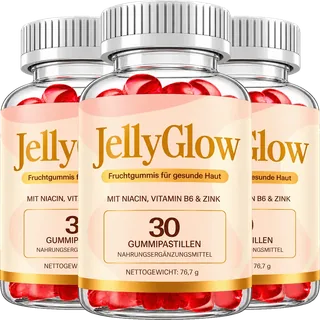
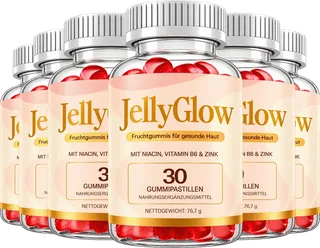
If you are comfortable after that, you can check the packs and today's total on the seller's page. Starting with the smallest pack keeps your options open while you see how the gummies sit with you.
Questions people ask
Do JellyGlow Gummies cause stomach upset?
They have not been studied, but some listed ingredients have stomach effects in official sources: zinc in excess, maca, and carnitine at large doses. If your stomach is upset, stop and ask a clinician.
Can JellyGlow Gummies make you flush red?
The label lists niacin as nicotinamide, which NIH says does not cause the flushing linked to nicotinic acid. Other niacin products you take may be a different form, so check their labels.
Is it a problem to take two JellyGlow Gummies a day?
The label says one gummy once a day and not to exceed the recommended dose. Two gummies would supply 50 mg of niacin, above the 35 mg adult upper limit.
Can JellyGlow Gummies keep you awake?
Insomnia is reported for maca and is the most common side effect listed for Asian ginseng, both in research on the ingredients rather than this gummy. If sleep changes, take it earlier and talk to a clinician.
Should I report JellyGlow Gummies side effects?
Yes. See a clinician first, then report the problem to FDA, and keep the jar with its lot and best-before details.
Sources for this page
- NIH Office of Dietary Supplements: Niacin, Fact Sheet for Health Professionals. ods.od.nih.gov
- NIH Office of Dietary Supplements: Zinc, Health Professional Fact Sheet. ods.od.nih.gov
- Memorial Sloan Kettering Cancer Center: About Herbs, Maca. www.mskcc.org
- NCCIH: Asian Ginseng, Usefulness and Safety. www.nccih.nih.gov
- NIH Office of Dietary Supplements: Carnitine, Health Professional Fact Sheet. ods.od.nih.gov
- U.S. Food and Drug Administration: Dietary Supplements. www.fda.gov
These statements have not been evaluated by the Food and Drug Administration. This product is not intended to diagnose, treat, cure, or prevent any disease. Safety: JellyGlow Gummies are a food supplement sold in the EU, not a medicine. Adults 18+ only; the label says one gummy once a day and not to exceed it. Not for pregnant or nursing women. The panel lists niacin (as nicotinamide), vitamin B6, zinc, maca, L-citrulline, L-carnitine and small amounts of grape seed, Panax ginseng and rhodiola extracts, which can matter with diabetes, blood-thinning, blood pressure, seizure or antibiotic medicines or before surgery. Ask your doctor or pharmacist first, never stop prescribed treatment, and keep the jar away from young children. This site is an independently run information site about JellyGlow Gummies; the owner states it is a U.S. stocking partner for JellyGlow. It is not the maker or the seller. We may earn money when you order through links marked as sponsored. The seller is based in the EU and sets prices, shipping and refund terms; we show them as we found them, so confirm at the live checkout.
 30-day money-back guarantee
 No subscription
